What Is the Human Eye and How Does It Work?
Discover the anatomy and functions of the human eye, the vital organ enabling vision. Explore its structure, how it processes light, common parts like retina and cornea, and tips for eye health in this comprehensive guide.
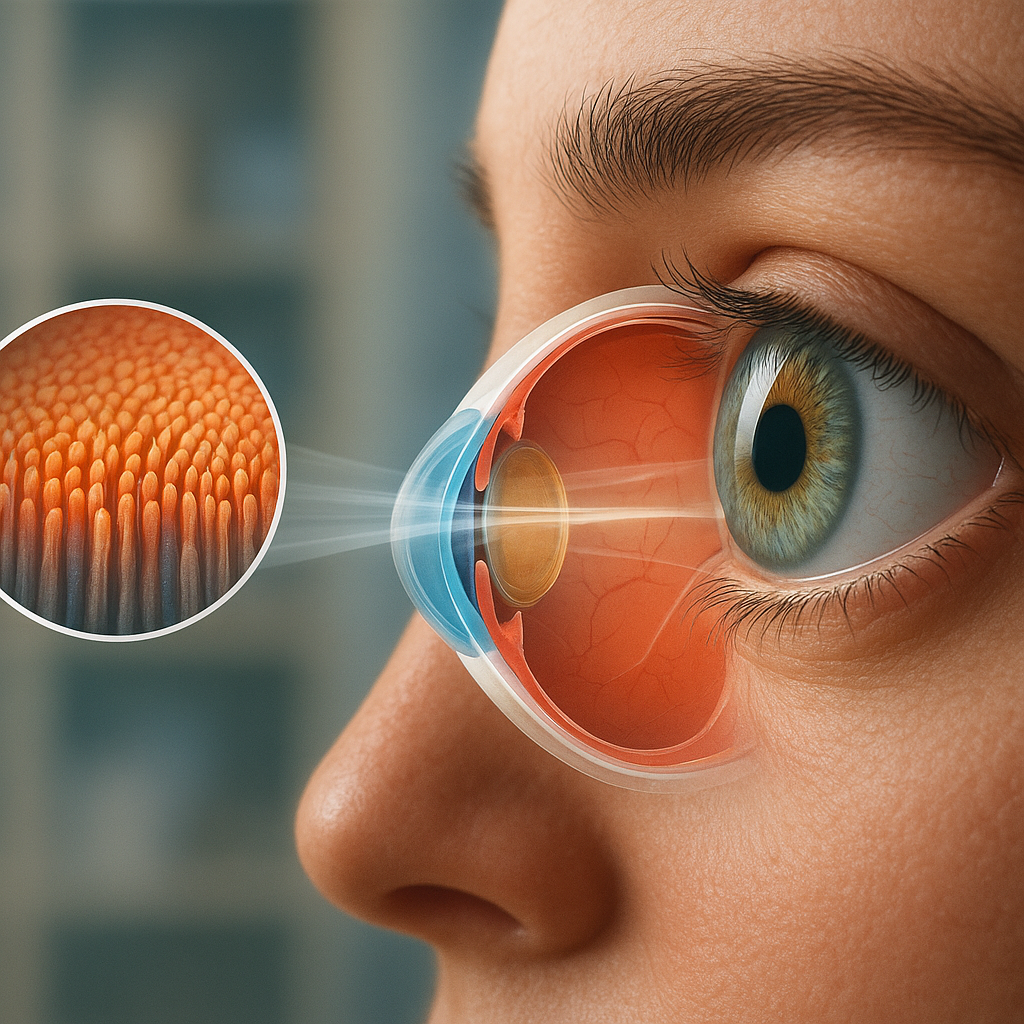
The human eye is an intricate sensory organ that allows us to perceive light, color, and depth, enabling vision essential for daily life. Comprising various specialized parts, it converts light into electrical signals sent to the brain. This remarkable structure has evolved to provide sharp focus and wide-field awareness.
Anatomy of the Human Eye
The eye's outer layer includes the cornea, a clear dome that protects the eye and refracts light. Behind it lies the iris, the colored part controlling light entry via the pupil. The lens further focuses light onto the retina, a light-sensitive layer at the back lined with photoreceptor cells called rods and cones.
Sclera: The white outer coating providing structural support.
Vitreous humor: A gel-like substance filling the eye's interior, maintaining shape.
Optic nerve: Transmits visual signals from the retina to the brain.
How Vision Works in the Human Eye
Light enters through the cornea and pupil, gets focused by the lens, and projects an inverted image onto the retina. Photoreceptors detect this light: cones for color and detail in bright conditions, rods for low-light vision. Signals travel via the optic nerve to the brain's visual cortex for interpretation into images we perceive.
Key Functions and Adaptations
Beyond basic sight, the eye adjusts focus for near and far objects through accommodation, where ciliary muscles alter the lens shape. It also tracks moving objects smoothly. Examples include pilots relying on peripheral vision from rods during night flights or artists using cone-rich fovea for precise color work.
Depth perception: Achieved via binocular vision from both eyes.
Color vision: Enabled by three cone types sensitive to red, green, and blue light.
Night vision: Rods activate in dim light, as seen in nocturnal animals with eye adaptations.
Common Eye Conditions and Protection
Issues like myopia (nearsightedness) or hyperopia (farsightedness) arise from improper light focus. Age-related changes, such as presbyopia, reduce near focus. Real-world examples: Drivers wearing glasses for safe road vision, or workers using protective eyewear against UV rays.
Maintaining Eye Health
Protect eyes with sunglasses, regular breaks from screens (20-20-20 rule), and nutrient-rich foods like carrots for vitamin A. Routine check-ups detect issues early.