How to Play Basketball: Rules and Basics Explained
Learn how to play basketball with our complete guide covering rules, court setup, player positions, dribbling, shooting techniques, and tips for beginners. Perfect for new players to master the game quickly and enjoyably.
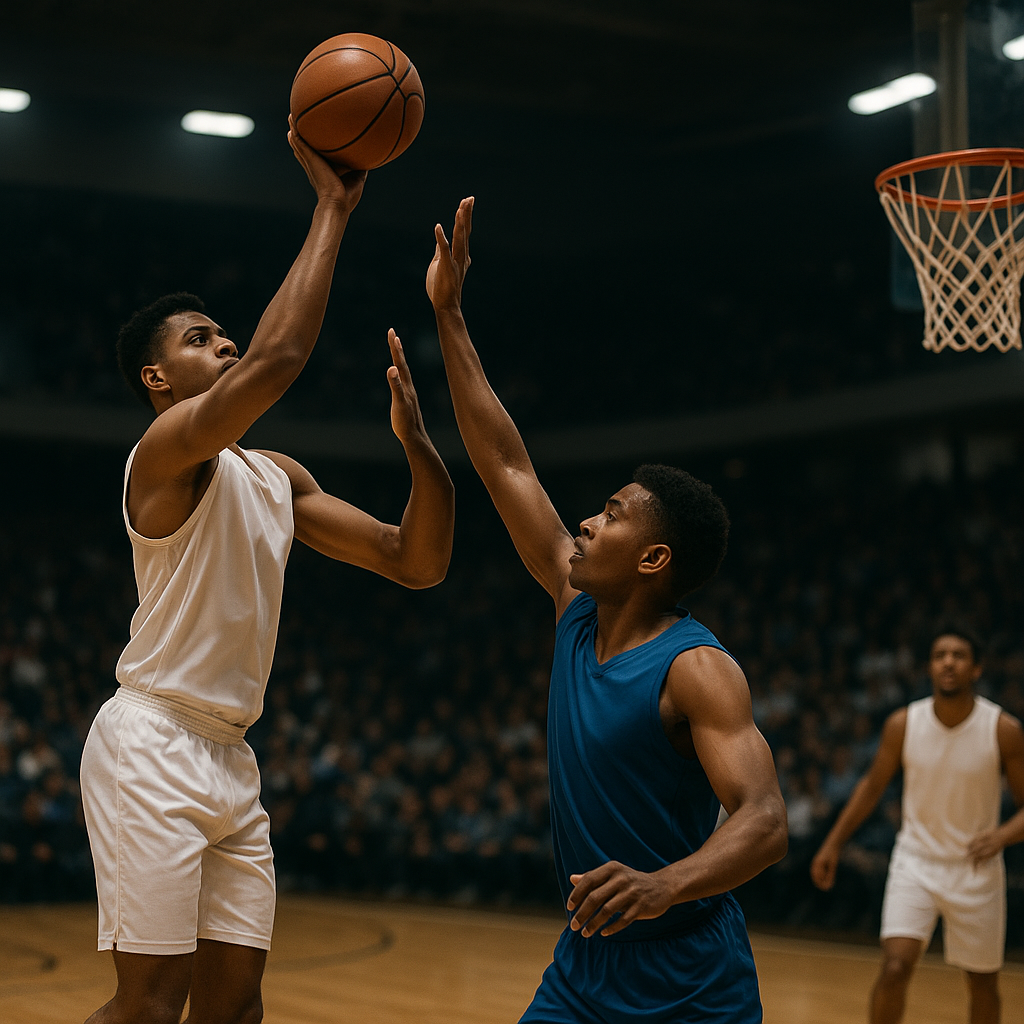
How to play basketball is a fundamental question for anyone interested in this fast-paced team sport invented by Dr. James Naismith in 1891. Played by two teams of five players each on a rectangular court, the objective is to score points by shooting a ball through a hoop elevated 10 feet high while preventing the opponent from doing the same. Mastering the basic rules and skills like dribbling and passing is key to enjoying the game.
Basketball Court and Equipment Basics
A standard basketball court measures 94 feet long by 50 feet wide in professional play, with markings for key areas like the three-point line and free-throw lane. The hoop, or basket, is a metal rim with a net, mounted 10 feet above the floor. Essential equipment includes an inflated leather or synthetic ball (circumference about 30 inches) and uniforms with numbers for identification.
Basket: Orange rim with white net, 18 inches in diameter.
Backboard: Rectangular transparent board, 6x3.5 feet.
Ball: Official size 7 for men, size 6 for women.
Objective and Scoring System
The main goal in how to play basketball is to outscore the opposing team by the end of four 12-minute quarters (or two 20-minute halves in some formats). Points are scored by throwing the ball into the opponent's basket: 2 points for shots inside the three-point arc, 3 points from beyond it, and 1 point for free throws awarded after fouls.
Basic Rules and Violations
Games start with a jump ball at center court. Teams alternate possession. Players must bounce the ball (dribble) while moving; carrying or palming the ball is a violation called traveling. Double dribbling—stopping then restarting a dribble—is also illegal. Defensive players cannot interfere with shots in the restricted arc near the basket.
Traveling: Taking more than two steps without dribbling.
Double Dribble: Dribbling with both hands or restarting after stopping.
Fouls: Illegal contact like pushing; results in free throws.
Three-Second Rule: No standing in the key for over 3 seconds on offense.
Player Positions and Fundamental Skills
Teams have five positions: point guard (playmaker), shooting guard (scorer), small forward (versatile), power forward (rebounder), and center (tallest, dominates paint). Key skills include dribbling (pounding the ball with fingertips), passing (chest, bounce, overhead), and shooting (BEEF method: Balance, Eyes, Elbow, Follow-through).
Dribbling: Keep head up, use low stance, protect ball with body.
Shooting: Bend knees, square shoulders to basket, snap wrist.
Defense: Stay low, mirror opponent's moves, block passing lanes.
Game Flow and Strategies
Play involves fast breaks after rebounds and structured half-court sets. Coaches call timeouts to strategize. Real-world examples include Michael Jordan's Chicago Bulls dominating with triangle offense or Stephen Curry revolutionizing shooting with three-pointers from the Golden State Warriors.
Tips for Beginners
Practice daily with drills like layups and free throws. Watch NBA or FIBA games for pro techniques. Join a local league to apply rules in real games. Consistency builds fundamentals, turning novices into confident players.