What is Impressionism Art Movement? History Explained
Discover Impressionism, the revolutionary 19th-century art movement that captured fleeting moments of light and color. Learn about key artists like Monet, techniques, famous works, and its lasting influence on modern art.
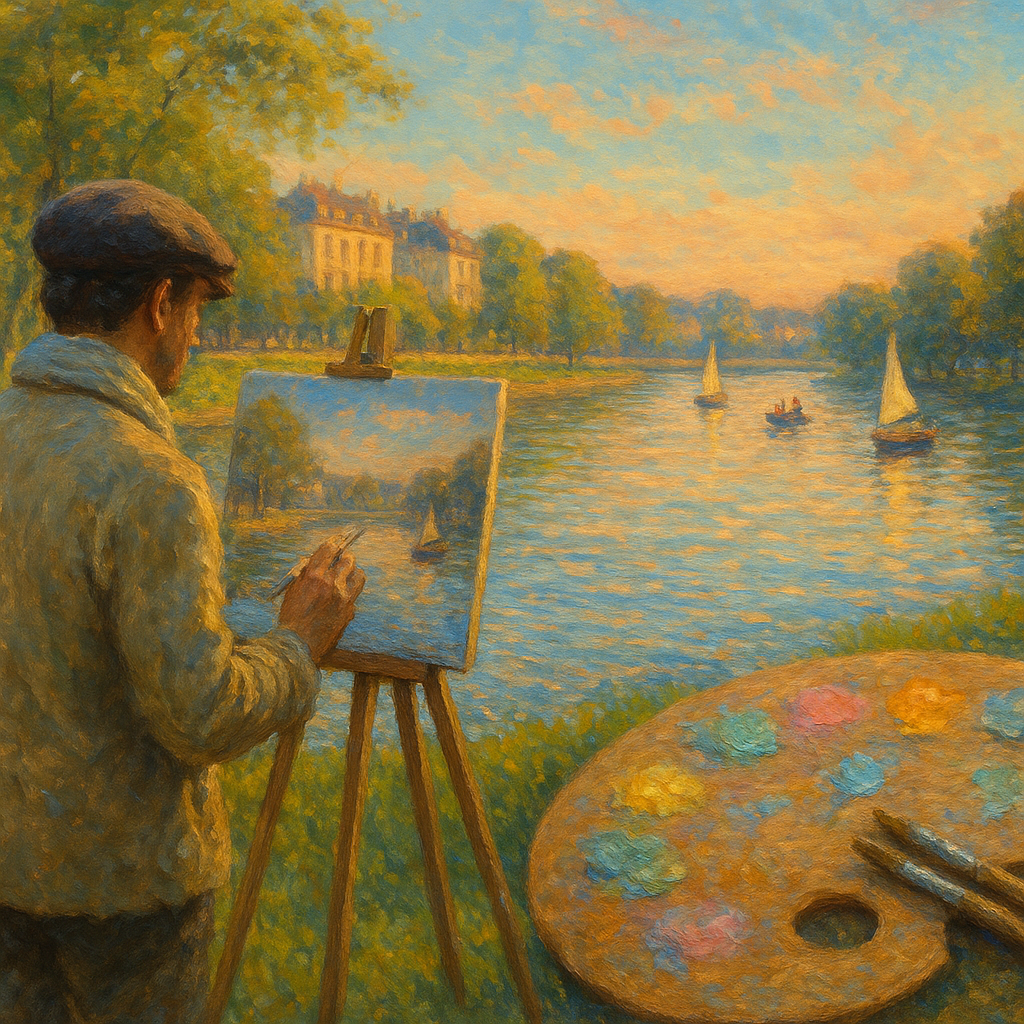
Impressionism is a groundbreaking 19th-century art movement that emerged in France, emphasizing the transient effects of light, color, and atmosphere over realistic detail. Pioneered by artists who painted outdoors (en plein air), it sought to capture the immediate sensory impressions of a scene rather than polished studio works. This innovative approach challenged traditional academic art and paved the way for modern painting.
Origins and Historical Context
Impressionism originated in the late 1860s in Paris amid rapid urbanization and technological advances like synthetic paints in tubes, enabling outdoor painting. A group of artists, frustrated with the rigid rules of the official Salon exhibitions, organized their own shows starting in 1874. The term 'Impressionism' came from a mocking review of Claude Monet's painting Impression, Sunrise (1872), which depicted a hazy harbor scene.
Influenced by Realism and photography's rise, Impressionists shifted focus from historical or mythological subjects to everyday life, landscapes, and urban scenes. Their first exhibition in 1874 featured works by Monet, Renoir, and others, marking the movement's official debut despite initial criticism.
Key Characteristics and Techniques
Impressionist paintings are defined by loose, visible brushstrokes, vibrant colors applied side-by-side to create optical mixing, and an emphasis on natural light's changing qualities. Artists avoided black shadows, using complementary colors instead for luminosity. Compositions often cropped subjects dynamically, mimicking photography's snapshot effect.
En plein air painting: Working directly from nature to capture momentary effects.
Broken color technique: Small dabs of pure color allowing viewer’s eye to blend them.
Emphasis on everyday subjects: Scenes of leisure, nature, and modern life rather than grand narratives.
Unfinished appearance: Prioritizing suggestion over precise detail.
Famous Artists and Iconic Works
Claude Monet, the movement's leader, produced series like Water Lilies and Haystacks, exploring light variations on the same subject. Pierre-Auguste Renoir celebrated joyful scenes in Luncheon of the Boating Party (1881), with warm tones and lively figures.
Edgar Degas: Known for ballet dancers and horse races, as in The Dance Class (1874), blending Impressionism with Realism.
Mary Cassatt: An American expatriate, her The Child's Bath (1893) highlights intimate domestic moments with soft, glowing light.
Camille Pissarro: Rural landscapes like Apple Harvest (1888), emphasizing peasant life and atmospheric depth.
Influence and Legacy
By the 1880s, Impressionism gained acclaim, influencing Post-Impressionists like Van Gogh and leading to movements such as Fauvism and Abstract Expressionism. Its focus on perception and subjectivity reshaped art education and criticism. Today, Impressionist works fetch record prices at auctions, symbolizing artistic freedom.
Museums like the Musée d'Orsay in Paris house vast collections, drawing millions annually. The movement's legacy endures in contemporary photography, digital art, and plein air revivals worldwide.
Why Impressionism Matters Today
In summary, Impressionism transformed art by valuing personal experience and sensory delight over perfection. Aspiring artists can embrace its principles by experimenting outdoors with bold colors. Its vibrant optimism continues to inspire, reminding us to appreciate life's fleeting beauty.