What is Photosynthesis?
Discover what photosynthesis is: the vital process by which plants convert sunlight into energy, producing oxygen and glucose. Explore its steps, equation, importance, and real-world examples in this comprehensive guide.
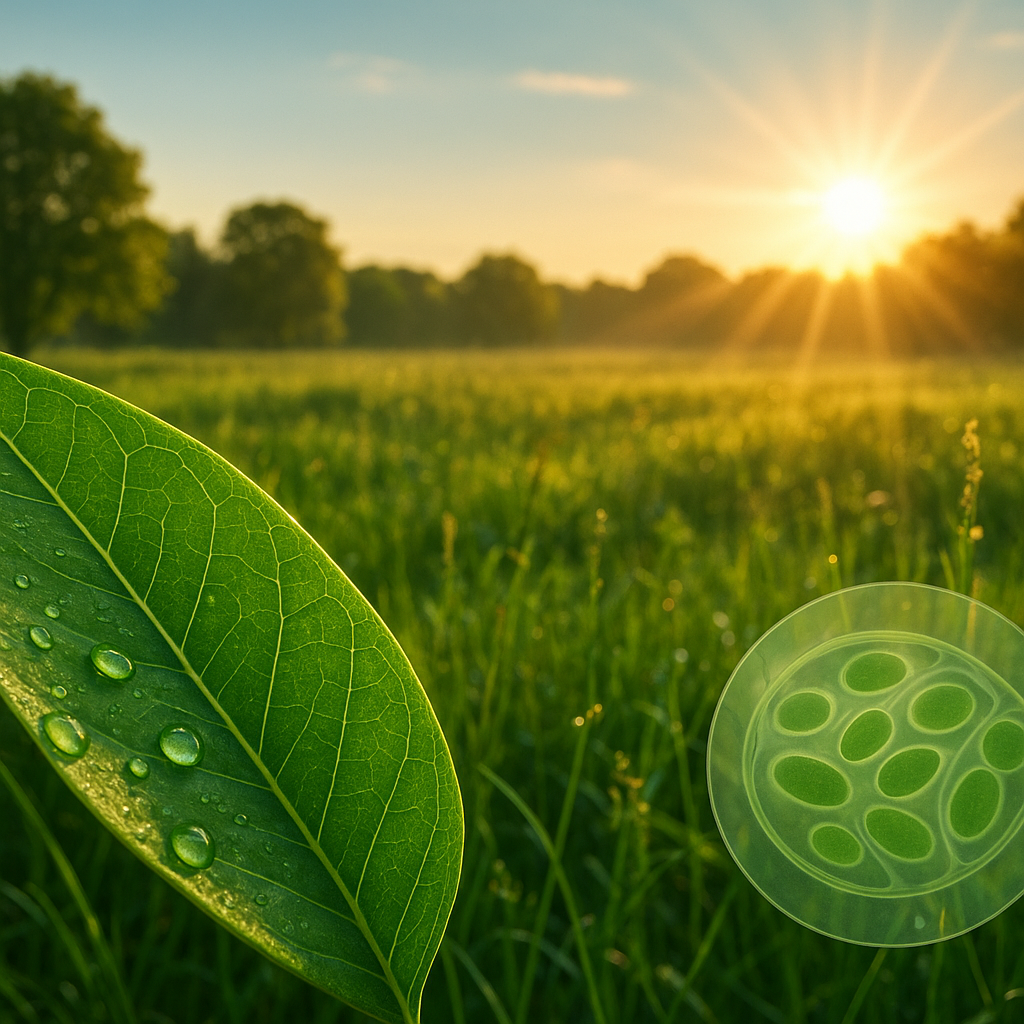
Photosynthesis is the fundamental process by which green plants, algae, and some bacteria convert light energy from the sun into chemical energy stored in glucose. This remarkable biochemical reaction uses carbon dioxide from the air and water from the soil, releasing oxygen as a byproduct. It forms the basis of most life on Earth, powering food chains and maintaining atmospheric balance.
The Photosynthesis Process
Photosynthesis occurs primarily in the chloroplasts of plant cells, where the green pigment chlorophyll absorbs sunlight. The process is divided into two main stages: the light-dependent reactions and the light-independent reactions (Calvin cycle). In light-dependent reactions, sunlight splits water molecules, producing oxygen and energy carriers like ATP and NADPH. These carriers then fuel the Calvin cycle, where carbon dioxide is fixed into glucose.
Sunlight is captured by chlorophyll in chloroplasts.
Water (H₂O) is split, releasing oxygen (O₂) and electrons.
Carbon dioxide (CO₂) combines with energy to form glucose (C₆H₁₂O₆).
The Chemical Equation of Photosynthesis
The overall chemical equation for photosynthesis is a concise summary of this energy transformation: 6CO₂ + 6H₂O + light energy → C₆H₁₂O₆ + 6O₂. This balanced equation highlights how six molecules of carbon dioxide and water produce one glucose molecule and six oxygen molecules. It underscores the efficiency of nature's solar-powered factory.
Importance of Photosynthesis to Life
Photosynthesis is essential for life, as it produces the oxygen we breathe and the organic compounds that form the base of food webs. Without it, Earth's atmosphere would lack sufficient oxygen, and complex life forms could not exist. It also regulates carbon cycles, mitigating climate change by sequestering CO₂.
Food production: Plants like rice and wheat use photosynthesis to create calories for billions.
Oxygen supply: Forests and oceans (via phytoplankton) generate over 50% of Earth's oxygen.
Ecosystem balance: Supports herbivores, carnivores, and decomposers in food chains.
Factors Affecting Photosynthesis Rate
Several environmental factors influence the efficiency of photosynthesis. Light intensity, CO₂ concentration, temperature, and water availability all play key roles. For instance, excessive heat can denature enzymes, while insufficient light limits energy input. Plants have adaptations like broader leaves in shaded forests to optimize these factors.
Light: Optimal wavelengths are blue and red.
Temperature: Ideal range is 20-30°C for most plants.
Water: Deficiency causes stomata to close, reducing CO₂ intake.
Real-World Examples of Photosynthesis
In agriculture, C3 plants like tomatoes thrive in moderate climates, while C4 plants like maize excel in hot, dry areas with efficient CO₂ capture. Coral reefs rely on symbiotic algae performing photosynthesis to build calcium structures. Even houseplants like pothos demonstrate this process, purifying indoor air by absorbing CO₂.
In conclusion, photosynthesis is nature's ultimate renewable energy system, sustaining biodiversity and human civilization. Understanding it inspires innovations in biofuels and sustainable farming, reminding us of our deep connection to the green world.